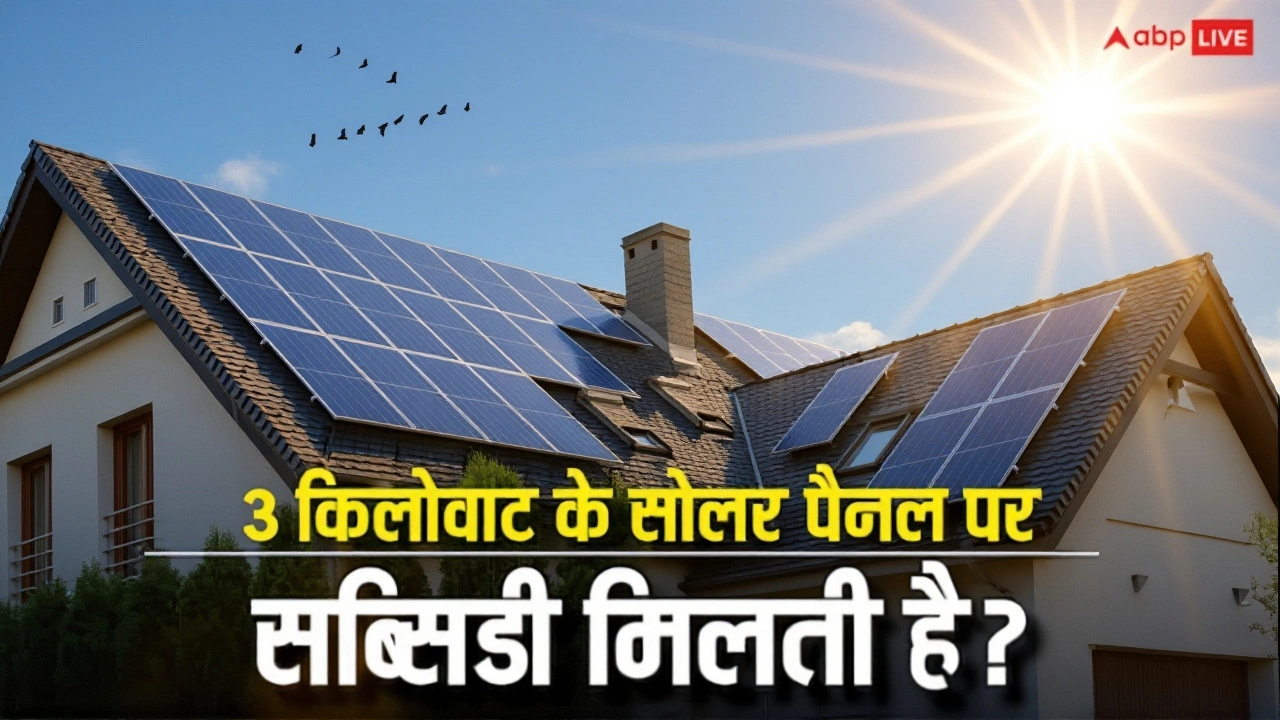
India Blocks China’s WTO Panel Bid Over Solar, IT Subsidies
When India blocked China's request to form a trade panel at the World Trade Organization, it wasn't just a procedural delay—it was a calculated strategic pause. The move, made during a Dispute Settlement Body meeting on May 22, 2026, in Geneva, stops Beijing from immediately launching a formal investigation into New Delhi's support measures for the solar and information technology sectors.
Here's the thing: this isn't the end of the road. Under WTO rules, India can block the first request for a panel. But if China repeats the request at the next meeting, the panel forms automatically. There is no second veto. This creates a ticking clock for both nations.
The Core of the Dispute
The conflict centers on India's domestic support schemes. Specifically, Beijing is challenging incentives provided to manufacturers of solar cells, solar modules, and certain IT products. China argues these measures violate several WTO provisions, particularly those related to 'national treatment'—the principle that imported goods should be treated no less favorably than domestically produced ones.
According to reports from Press Trust of India’s Hindi service ‘Bhasha’ and ThePrint Hindi, Chinese officials contend that India’s import duties and preference for local producers give unfair competitive advantages to Indian companies. They claim this distorts the market and harms Chinese exporters who cannot compete on equal footing in the Indian market.
New Delhi has firmly rejected these allegations. Indian representatives stated that all their policies align with WTO commitments and rules. They argue that their incentive programs are legitimate efforts to boost domestic manufacturing capabilities in critical green energy and tech sectors, not protectionist barriers designed to exclude foreign competitors.
Procedural Chess Match
The procedural nuance here is crucial. In the WTO system, when a member state files a complaint, the respondent (in this case, India) has the right to block the establishment of a dispute panel during the *first* meeting of the Dispute Settlement Body (DSB). This is often used as a diplomatic tool to buy time for negotiations or to signal strong opposition without yet engaging in full legal warfare.
However, the rules are strict. If the complaining party (China) reiterates its request at the *next* DSB meeting, the panel is established by default. India loses the ability to block it then. This mechanism ensures that disputes don’t get stuck in perpetual limbo due to one side’s obstruction.
An anonymous official based in Geneva confirmed to media outlets that India exercised this right on May 22, 2026. While the specific names of ministers or senior diplomats weren't released, the action itself speaks volumes about New Delhi's confidence in its legal position—or perhaps its desire to delay costly litigation.
Why Solar and IT?
This dispute doesn't exist in a vacuum. It reflects broader geopolitical tensions over supply chains and industrial policy. China dominates the global solar supply chain, producing roughly 80% of the world's photovoltaic components. Any attempt by other nations to build independent capacity is viewed with suspicion in Beijing.
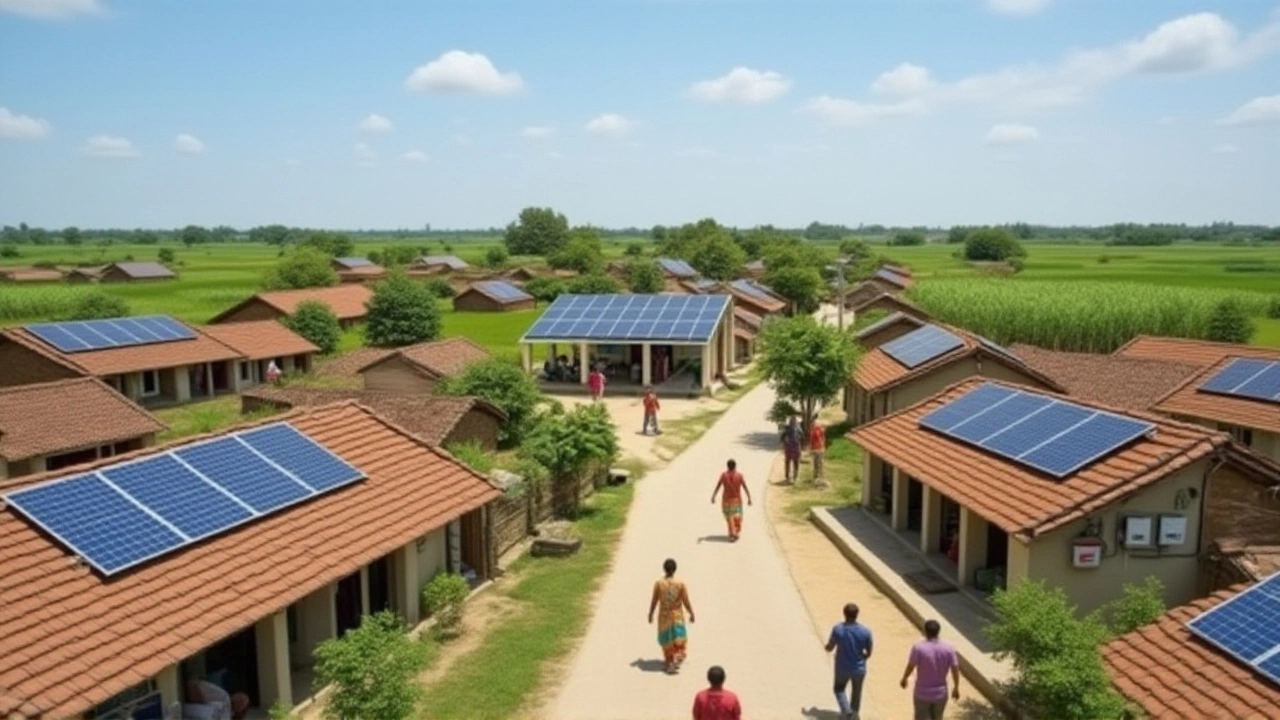
For India, developing a robust domestic solar industry is part of its larger climate goals and economic strategy. By supporting local manufacturers through subsidies and favorable tariffs, New Delhi aims to reduce dependence on imports while creating jobs. Similarly, boosting high-tech IT product manufacturing is key to its digital economy ambitions.
But balancing these national interests against international trade obligations is tricky. Critics might argue that heavy subsidies distort fair competition. Supporters counter that they’re necessary corrections to historical imbalances where developed nations built their industries behind similar walls.
What Happens Next?
All eyes now turn to the next DSB session. When exactly that will occur remains unclear, but once it does, China will likely reiterate its demand for a panel. At that point, India’s options narrow significantly. The panel will then examine whether India’s measures comply with agreements like the Agreement on Subsidies and Countervailing Measures (SCM) and GATT 1994.
If the panel rules against India, it could recommend withdrawing or modifying the offending measures. Failure to comply might lead to authorized retaliation by China—such as imposing tariffs on Indian exports. Conversely, if India wins, it sets a precedent allowing greater policy space for developing economies pursuing industrialization.
Trade experts suggest this case could reshape how emerging markets approach subsidy regimes under current WTO frameworks. With multilateral trading systems facing mounting pressure, every ruling carries symbolic weight beyond immediate financial impacts.
Frequently Asked Questions
Can India block the WTO panel again if China requests it?
No. Under WTO dispute settlement procedures, a respondent country can only block the formation of a panel once—at the first DSB meeting after the request is made. If China submits the same request at the subsequent meeting, the panel is automatically established regardless of India’s objection.
What specific Indian policies is China challenging?
China is targeting India’s support mechanisms for solar cell and module manufacturers, as well as certain information technology products. These include potential production-linked incentives and preferential treatment given to domestic producers over imported goods, which Beijing claims violates national treatment principles.
How does this affect Chinese solar exporters?
If India’s subsidies are deemed illegal, they may need to be removed, potentially opening the Indian market more fully to cheaper Chinese imports. However, if India prevails, Chinese firms must continue competing against subsidized local rivals, impacting their market share and profitability in one of Asia’s largest growing economies.
When will the next DSB meeting take place?
The exact date of the next Dispute Settlement Body meeting has not been publicly announced yet. Typically, DSB meetings occur monthly unless otherwise scheduled. Once held, China is expected to renew its panel request, triggering automatic establishment.
Has India faced similar WTO challenges before?
Yes. India has previously contested and defended various trade measures at the WTO, including agricultural subsidies and steel tariffs. Each case tests the boundaries of permissible industrial policy within the multilateral trading system, offering valuable precedents for future disputes involving developing nations.