SP's '5 Votes' Strategy: Power Show in Mirzapur
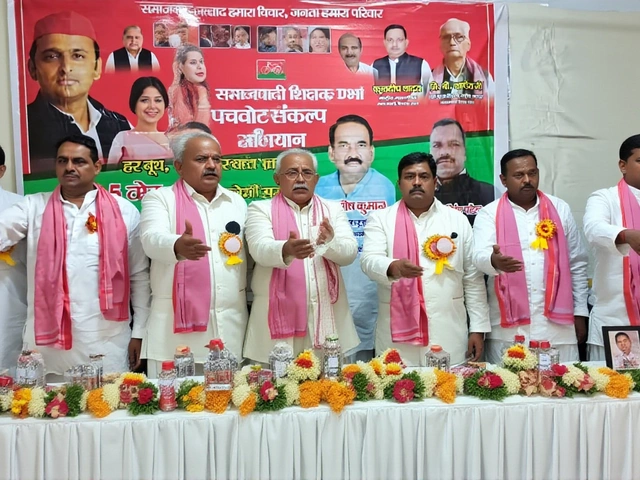
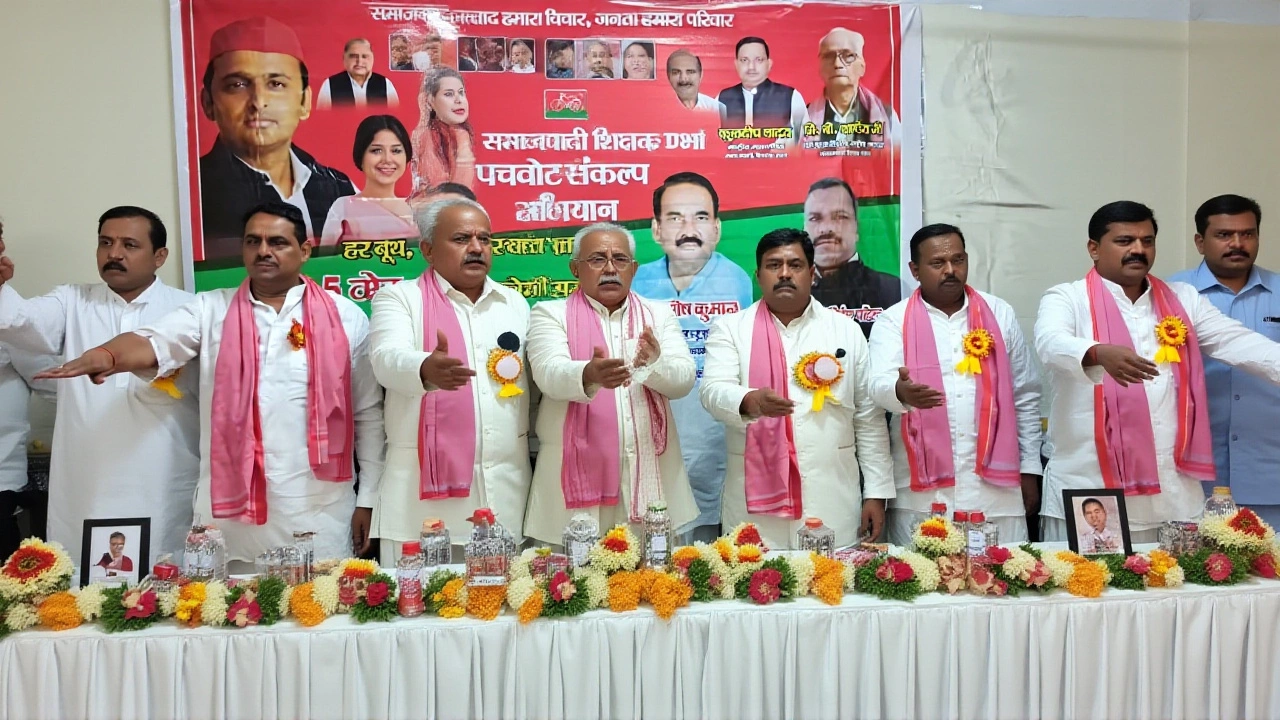
When Akhilesh Yadav, President of the Samajwadi Party, looks toward the next phase of his political comeback, he isn't just counting seats. He’s counting individual votes. In a recent organizational rally in Mirzapur, district leaders and party affiliates made a bold claim that is rippling through Uttar Pradesh politics: a government can be formed or lost on the margin of just five votes.
The event, organized by the Samajwadi Shikshak Sabha (Samajwadi Teachers Association), was billed as a "power display" for the upcoming 2027 Assembly elections. But beneath the rhetoric lay a stark warning to workers and voters alike. The message? Precision matters more than passion. Every single ballot counts, and the difference between victory and defeat could be microscopic.
The Micro-Margin Mandate
Here’s the thing about Indian democracy, especially in a state as massive and competitive as Uttar Pradesh. While national headlines focus on seat totals, the real war is fought at the booth level. The slogan echoed at the Mirzapur gathering—"Five votes will form the government"—isn't hyperbole. It’s a statistical reality check.
In close constituencies, which make up a significant portion of the 403-seat assembly, margins often dip below 1,000 votes. Sometimes, they’re under 100. By highlighting this fragility, the SP leadership is trying to instill a sense of urgency among its grassroots machinery. They aren’t asking for blind loyalty; they’re demanding operational excellence. If you miss five potential voters in a booth with a 60% turnout, you might hand your opponent the win.
This shift in narrative signals a move away from broad-brush campaigning toward granular data analysis. It suggests that the party is preparing to deploy technology and ground-level intelligence to identify swing voters with unprecedented accuracy.
Teachers as Political Architects
Why organize this through the teachers' association? Turns out, it’s strategic. The Samajwadi Shikshak Sabha isn't just a union; it’s one of the most organized wings of the SP ecosystem. Teachers are present in every village, town, and city across the state. They have access to communities, trust within families, and a deep understanding of local dynamics.
By leveraging this network, the party aims to create a parallel structure for voter outreach. These educators become eyes and ears on the ground, capable of monitoring opposition activities and mobilizing support during critical windows. It’s a classic example of using existing social infrastructure for political gain. The details of their specific training modules remain unclear, but the intent is obvious: turn every teacher into a campaign node.
Mirzapur: A Battleground Test Case
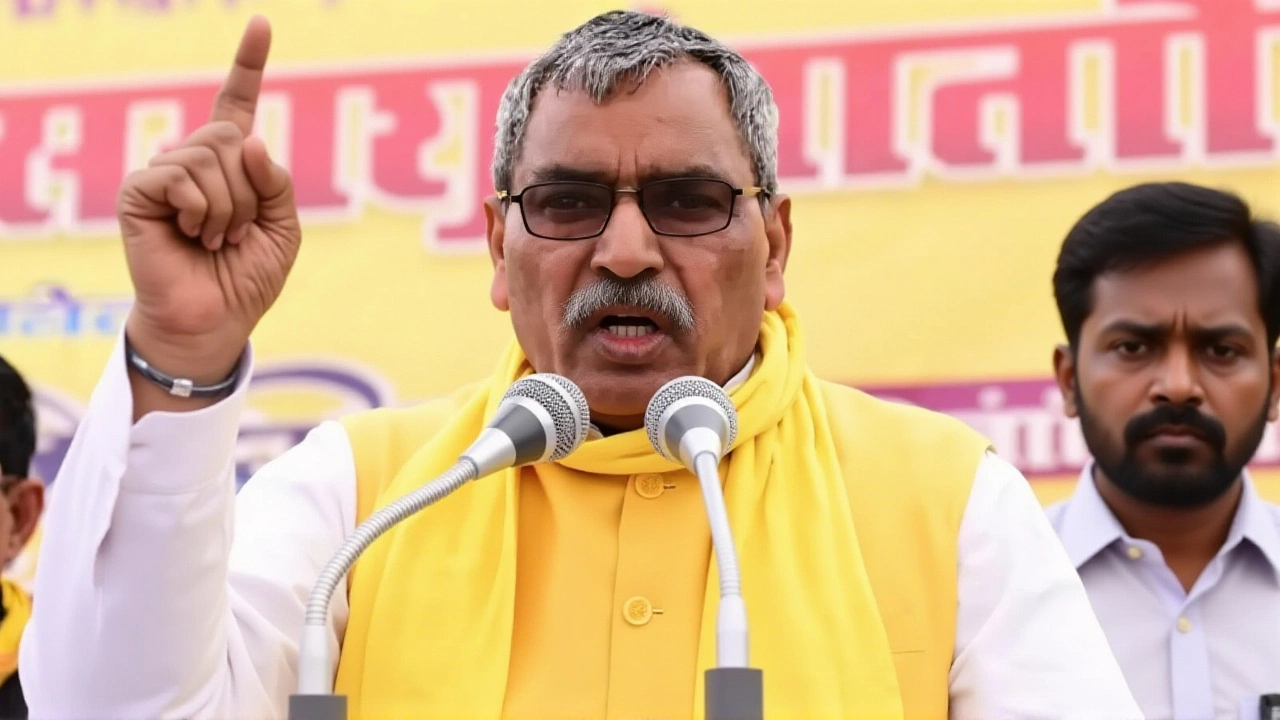
Mirzapur isn't just any district. Located in eastern Uttar Pradesh, it has historically been a stronghold for regional parties and has seen fierce competition between the SP, BJP, and BSP. The choice of location for this "power display" is telling. It’s a test bed.
If the SP can refine its micro-targeting strategy here, it can replicate it elsewhere. The region’s demographic mix—rural agrarian communities intertwined with urban centers like Gorakhpur nearby—offers a complex puzzle. Solving it requires more than slogans. It requires knowing who holds the balance of power in each neighborhood.
Local reports indicate that the atmosphere was charged, not just with political fervor but with a sense of organizational discipline. Workers were urged to take a "grand pledge" (bada sankalp) regarding booth-level management. This isn't about shouting louder; it's about working smarter.
The 2027 Horizon
With the next Uttar Pradesh Assembly elections scheduled for 2027, the clock is ticking. The current administration, led by the Bharatiya Janata Party, has focused heavily on welfare schemes and development narratives. To counter this, the opposition needs a clear, compelling alternative—and an efficient delivery mechanism.
The "five votes" doctrine serves both purposes. It highlights the vulnerability of the ruling coalition while emphasizing the SP’s commitment to meticulous planning. Experts suggest that if implemented correctly, this approach could neutralize the numerical advantage often held by larger coalitions. However, execution remains the biggest hurdle. Organizational decay, internal dissent, and apathy among youth voters are persistent challenges.
What’s next? Watch for increased digital engagement campaigns targeting first-time voters and intensified ground surveys in key districts. The SP is likely building a database-driven war room, mirroring strategies used successfully by other major parties in recent years.
Historical Context: The Cost of Complacency
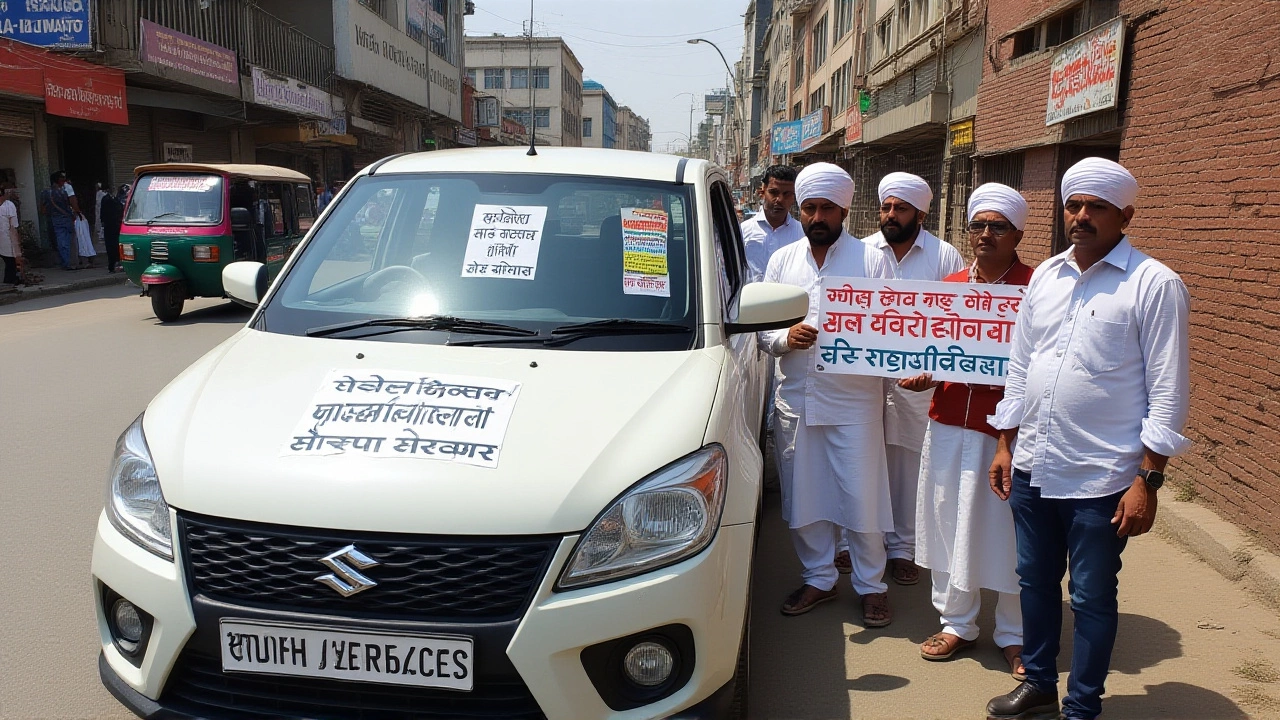
To understand why this message resonates, look back at 2017. The SP suffered a devastating loss, winning only four seats compared to 205 in 2012. Analysts cite overconfidence and poor booth-level management as key factors. Many assumed traditional vote banks would hold firm without active cultivation. They didn’t.
This current initiative appears to be a direct response to those past failures. It’s an admission that legacy support is no longer guaranteed. In today’s fragmented media landscape, where voters switch allegiance based on immediate grievances or charismatic appeals, holding onto a base requires constant effort. The "five votes" mantra is essentially a reminder: complacency kills campaigns.
Frequently Asked Questions
What does the '5 votes' slogan mean?
The slogan emphasizes that in closely contested elections, a margin of just five votes can determine the winner. It urges party workers to focus on precision and ensuring every possible supporter casts their ballot, rather than relying on broad assumptions about voter behavior.
Who organized the event in Mirzapur?
The event was organized by the Samajwadi Shikshak Sabha, the teachers' wing affiliated with the Samajwadi Party. This group plays a crucial role in the party's grassroots organization due to its widespread presence across educational institutions in Uttar Pradesh.
Why is Mirzapur significant for the SP?
Mirzapur is located in eastern Uttar Pradesh, a region known for intense political competition between the SP, BJP, and BSP. Using this district as a launchpad for their new strategy allows the party to test its micro-targeting methods in a challenging environment before scaling up statewide.
How does this relate to the 2027 elections?
The rally was explicitly framed as preparation for the 2027 Uttar Pradesh Assembly elections. The party is attempting to rebuild its organizational strength and adopt data-driven strategies to overcome the massive losses suffered in previous cycles, particularly in 2017.
Is this a new strategy for the Samajwadi Party?
While focusing on booth-level management is standard practice, the explicit emphasis on such small margins ('5 votes') reflects a learned lesson from past defeats. It marks a shift towards greater operational discipline and technological integration in voter outreach, moving beyond traditional reliance on caste-based vote banks.